

 English
 中文简体
中文简体
 Español
 عربى
عربى


العلامات الأكثر شيوعا للسوء رابط استقرار هي صوت خشخشة أو قعقعة فوق المطبات، وزيادة التفاف الجسم أثناء الانعطاف، وصوت نقر أثناء المنعطفات منخفضة السرعة، والتشغيل المرئي عندما يتم اهتزاز الرابط فعليًا باليد - وعادةً ما تظهر هذه الأعراض تدريجيًا مع تآكل المفاصل الطرفية للوصلة بدلاً من فشلها فجأة دون سابق إنذار. يربط رابط التثبيت (يُسمى أيضًا رابط شريط التأرجح أو رابط شريط منع التدحرج) شريط التثبيت بالتعليق عند كل عجلة، وعندما يتآكل، تفقد السيارة بعضًا من مقاومتها المصممة لانحراف الهيكل ويمكن أن تحدث ضوضاء مزعجة تزداد سوءًا بمرور الوقت. يقوم هذا الدليل بتحليل كل علامة تحذير بالتفصيل، ويشرح كيفية التأكد من وجود رابط سيئ مقابل مشكلات التعليق الأخرى، ويغطي الأسباب التي تؤدي عادة إلى فشل هذه المكونات.
محتوى
- لماذا تبلى روابط المثبت في المقام الأول
- كيفية التعرف على العلامات الأكثر شيوعًا لرابط المثبت السيئ
- لمحة سريعة عن أعراض رابط المثبت
- ما هي مشاكل التعليق الأخرى التي تحاكي رابط التثبيت السيئ؟
- كيف يؤكد الفني وجود رابط مثبت سيئ أثناء الفحص
- لماذا يمكن أن يؤدي تجاهل رابط التثبيت السيئ إلى مشاكل أكبر
- ما المدة التي تدوم فيها روابط المثبت عادةً؟
- الأسئلة المتداولة حول روابط المثبت السيئة
- هل من الآمن الاستمرار في القيادة مع وجود وصلة استقرار سيئة؟
- هل يمكن أن يتسبب رابط التثبيت السيئ في فشل الفحص؟
- هل يلزم استبدال روابط التثبيت في أزواج؟
- هل يمكن أن يؤثر وصلة التثبيت السيئة على المحاذاة أو تآكل الإطارات؟
- ما هي تكلفة استبدال رابط التثبيت عادةً؟
- هل سيؤدي ارتباط التثبيت السيئ إلى ظهور ضوء تحذير في لوحة القيادة؟
- الاستنتاج
لماذا تبلى روابط المثبت في المقام الأول
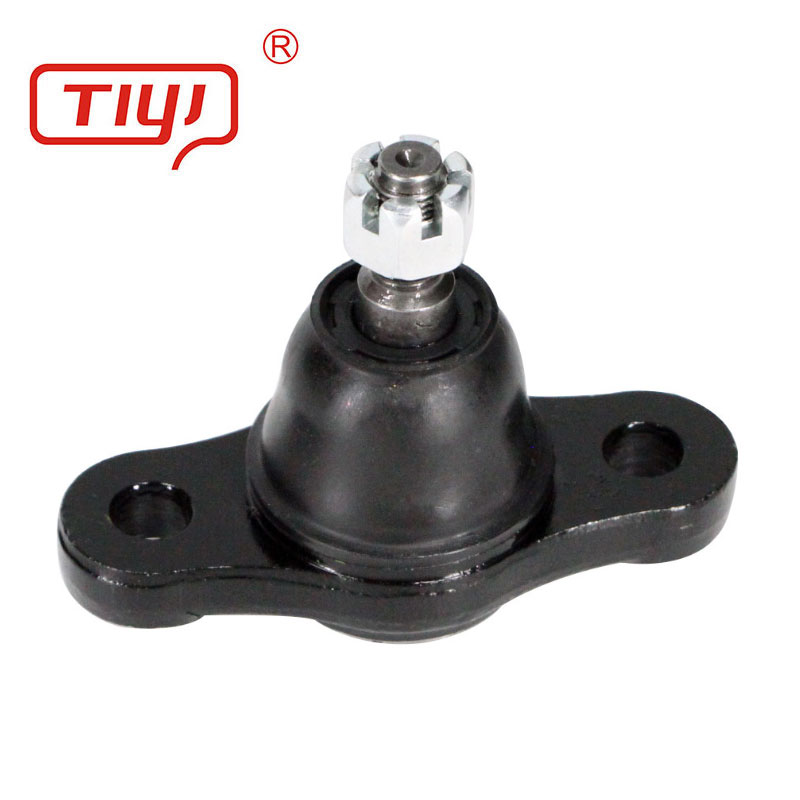
تتآكل وصلات التثبيت لأن مفاصلها النهائية - عادةً ما تكون مفاصل على شكل كرة ومقبس تشبه في المفهوم مفصل كروي صغير - في حركة ثابتة في كل مرة يتحرك فيها نظام التعليق، وهذا المفصل المستمر يؤدي تدريجيًا إلى تآكل مادة الجلبة الداخلية أو سطح المفصل الكروي حتى يتطور اللعب الزائد. على عكس بعض مكونات التعليق التي تتعرض بشكل أساسي لضغط الحمل، فإن وصلات التثبيت تواجه حركة صغيرة المدى شبه ثابتة خلال كل ميل تقريبًا، وهذا هو بالضبط سبب اعتبارها عنصرًا قابلاً للتآكل مع عمر خدمة محدود بدلاً من جزء من المتوقع أن يستمر طوال عمر السيارة بالكامل.
ملح الطريق، وتسرب الرطوبة من خلال حذاء الغبار الممزق، والتدهور العام للمطاط والشحوم المرتبط بالعمر، كلها تعمل على تسريع عملية التآكل هذه. تميل المركبات التي يتم قيادتها بشكل متكرر على الطرق الوعرة، في المناطق التي تستخدم فيها ملح الطرق بكثافة في فصل الشتاء، أو التي تتراكم فيها الأميال الطويلة، إلى استبدال وصلة التثبيت في كثير من الأحيان أكثر من المركبات التي تعمل بشكل أساسي على الطرق الناعمة في المناخات المعتدلة.
كيفية التعرف على العلامات الأكثر شيوعًا لرابط المثبت السيئ
عادة ما تنتج وصلة التثبيت البالية مجموعة محددة من الضوضاء، والتعامل، والأعراض البصرية، والتعرف على كل منها على حدة - بدلاً من الاعتماد على عرض واحد فقط - يعطي صورة تشخيصية أكثر موثوقية بكثير من أي علامة واحدة في حد ذاتها.
صوت صرير أو قعقعة فوق المطبات
يعد صوت الخشخشة أو الخشخشة عند القيادة فوق المطبات أو الحفر أو الرصيف غير المستوي أحد الأعراض الأكثر شيوعًا لوصلة التثبيت البالية، والتي تنتج عن اللعب الزائد في المفاصل الطرفية للوصلة مما يسمح بكميات صغيرة من حركة المعدن إلى المعدن مع كل ضغط تعليق ودورة ارتداد. غالبًا ما يكون هذا الضجيج أكثر وضوحًا عند السرعات المنخفضة فوق مطبات السرعة أو التحولات في الممرات، نظرًا لأن نطاق الحركة الكامل لنظام التعليق يكون أكثر تضخيمًا عند السرعات المنخفضة مقارنة بحركات التعليق الأصغر أثناء القيادة على الطرق السريعة.
النقر على الصوت أثناء المنعطفات منخفضة السرعة
غالبًا ما يشير النقر أو الضجيج المتكرر على وجه التحديد أثناء المنعطفات البطيئة والضيقة - مثل مناورات ساحة انتظار السيارات - إلى وصلة التثبيت البالية، نظرًا لأن الدوران يضع حملًا ملتويًا إضافيًا على شريط التثبيت ووصلات التوصيل الخاصة به، مما يجعل أي تآكل مشترك موجود أكثر مسموعًا أثناء هذه الحركة المحددة مقارنة بالقيادة في خط مستقيم.
زيادة لفة الجسم أثناء الانعطاف
تشير الزيادة الملحوظة في تمايل الجسم أو تأرجحه أثناء الانعطاف، مقارنة بما شعرت به السيارة عندما كانت أحدث، إلى أن نظام التثبيت لا ينقل القوة بفعالية كما هو مصمم، نظرًا لأن الوصلة البالية مع التشغيل الزائد لا يمكنها نقل مقاومة قضيب التثبيت إلى لفة الهيكل بكفاءة مثل الوصلة الضيقة التي تعمل بشكل صحيح. يمكن أن يكون هذا العرض دقيقًا وسهل أن يُعزى إلى العمر الطبيعي للمركبة، وهو جزء من سبب ملاحظته غالبًا فقط بالمقارنة مع مركبة مماثلة أو بعد استبدال الرابط بالفعل ويصبح الفرق واضحًا.
اللعب المرئي أو الجسدي عند فحصه باليد
أثناء الفحص المادي، غالبًا ما يُظهر رابط التثبيت البالي تلاعبًا ملحوظًا عند الإمساك به وهزه باليد، في حين أن الرابط السليم يجب أن يكون مشدودًا مع حركة قليلة أو معدومة في أطراف مفصل الكرة. يعد هذا الفحص العملي، الذي يتم إجراؤه عادةً مع رفع السيارة بأمان وتفريغ نظام التعليق، أحد أكثر الطرق المباشرة للتأكد من وجود ارتباط سيئ مشتبه به دون الحاجة إلى معدات تشخيص متخصصة.
أضرار جسدية مرئية أو أحذية ممزقة بسبب الغبار
يسمح حذاء الغبار المطاطي الممزق أو المتشقق أو المفقود في أي من طرفي الوصلة بدخول الأوساخ والرطوبة وحطام الطريق إلى المفصل، مما يؤدي إلى تسريع التآكل بشكل أسرع بكثير مما قد يتعرض له المفصل المغلق بشكل صحيح. يعد الصدأ المرئي أو قضيب الوصلة المنحني أو جسم الوصلة المتصدع أيضًا مؤشرات واضحة على ضرورة الاستبدال بغض النظر عما إذا كانت الضوضاء أو أعراض التعامل قد أصبحت ملحوظة حتى الآن.
لمحة سريعة عن أعراض رابط المثبت
إن مقارنة حالة القيادة النموذجية لكل عرض والسبب الأساسي جنبًا إلى جنب يجعل من السهل التعرف على مجموعة العلامات التي تواجهها بالفعل في سيارتك.
| أعراض | عندما يكون الأمر أكثر وضوحًا | السبب الأساسي |
| التشويش على المطبات | سرعة منخفضة، رصيف غير مستوي | اللعب الزائد في أطراف مفاصل الكرة البالية |
| النقر أثناء المنعطفات | مناورات دوران بطيئة وضيقة | زيادة حمل الالتواء على المفصل البالي |
| زيادة لفة الجسم | الانعطاف، تغيير مسار الطريق السريع | تقليل نقل القوة من خلال الرابط |
| اللعب البدني باليد | أثناء فحص السيارة المرفوعة | تآكل أسطح المفاصل الداخلية |
| ضرر واضح / حذاء ممزق | أي التفتيش البصري | دخول التلوث يسرع التآكل |
التسمية التوضيحية: العلامات الشائعة لوصلة التثبيت السيئة، وظروف القيادة التي تكون فيها كل أعراض أكثر وضوحًا، والسبب الميكانيكي الأساسي.
ما هي مشاكل التعليق الأخرى التي تحاكي رابط التثبيت السيئ؟
يمكن أن تنتج جميع المفاصل الكروية البالية، والبطانات ذات قضيب التأرجح السيئ، وحوامل الدعامة السائبة، وبطانات ذراع التحكم البالية، أصوات خشخشة أو قعقعة مماثلة، ولهذا السبب يتطلب التشخيص الصحيح لمشكلة وصلة التثبيت المشتبه بها عزل مصدر الضوضاء بدلاً من الافتراض بناءً على الأعراض وحدها.
| مكون | أعراض مماثلة | الفرق الرئيسي |
| رابط المثبت | Clunk فوق المطبات، والنقر بالتناوب | غالبًا ما تكون الضوضاء ملحوظة عند السرعات المنخفضة؛ لعب قابلة للاكتشاف باليد على الرابط نفسه |
| وصلة كروية متآكلة | قرقعة فوق المطبات، ورخاوة التوجيه | غالبًا ما يكون مصحوبًا بتجول في عجلة القيادة أو تآكل غير متساوي للإطارات، على عكس مشكلة وصلة التثبيت |
| جلبة شريط التأثير | قعقعة فوق المطبات، لفة الجسم | يتم تركيب البطانة على الشريط نفسه، وليس على نهاية الوصلة؛ يختلف موقع الضوضاء قليلاً |
| جبل تبختر | نقر فوق المطبات، والنقر عند الدوران | عادةً ما يتم تتبع الضوضاء إلى الجزء العلوي من برج الدعامة، وليس إلى منطقة الوصلة السفلية |
| جلبة ذراع التحكم | قعقعة فوق المطبات، والتعامل الغامض | غالبًا ما يقترن بتغييرات ملحوظة في المحاذاة أو نمط تآكل الإطارات |
التسمية التوضيحية: مقارنة مكونات التعليق التي تنتج أعراض مشابهة مع وصلة استقرار سيئة، مع الاختلافات الرئيسية التي تساعد على التمييز بين كل منهما.
كيف يؤكد الفني وجود رابط مثبت سيئ أثناء الفحص
يؤكد الفني وجود رابط استقرار سيئ في المقام الأول من خلال الفحص المادي العملي مع رفع السيارة وتفريغ نظام التعليق، والتحقق من اللعب، والارتخاء، والتلف مباشرة في أطراف وصلة الوصلة بدلاً من الاعتماد فقط على الضوضاء المسموعة أثناء اختبار القيادة.
- التفتيش البصري — التحقق من عدم وجود حذاء ممزق ضد الغبار، أو صدأ واضح، أو قضيب منحني، أو جسم وصلة متصدع، وكلها مؤشرات واضحة على التآكل أو التلف الذي يتطلب الاستبدال.
- اختبار التلاعب باليد - الإمساك بالرابط باليد ومحاولة تحريكه في اتجاهات متعددة؛ يشير أي ارتخاء أو نقر ملحوظ أثناء هذا الفحص اليدوي بقوة إلى وجود مفصل متآكل.
- اختبار الرافعة المالية لشريط الحدق - استخدام شريط رفع لتطبيق ضغط لطيف على مفصل الوصلة أثناء المشاهدة والاستماع للحركة أو الضوضاء التي لن تحدث في مفصل محكم بشكل صحيح.
- تأكيد اختبار الطريق — القيادة فوق مطبات معروفة أو الانعطاف بسرعة منخفضة للتأكد من أن الضوضاء المسموعة تتطابق مع موقع الارتباط المشتبه به، وفي بعض الأحيان يستمع شخص آخر من خارج السيارة للمساعدة في تحديد المصدر الدقيق.
لماذا يمكن أن يؤدي تجاهل رابط التثبيت السيئ إلى مشاكل أكبر
في حين أن وصلة التثبيت البالية نادرًا ما تتسبب في فشل فوري للسلامة من تلقاء نفسها، فإن الاستمرار في القيادة مع وصلة سيئة معروفة يسمح بتطور التآكل، ويزيد من فرصة تآكل المكونات ذات الصلة نتيجة لتعويض الضغط، ويمكن أن يؤثر في النهاية على استقرار التعامل مع السيارة بشكل عام أثناء المناورات المفاجئة.
تؤكد إرشادات فحص سلامة المركبات العامة الصادرة عن منظمات مثل الإدارة الوطنية لسلامة المرور على الطرق السريعة (NHTSA) على أن مكونات التعليق تلعب دورًا مباشرًا في استقرار السيارة والقدرة على التنبؤ، خاصة أثناء مناورات الطوارئ مثل تغيير المسار المفاجئ أو تجنب العوائق. في حين أن رابط التثبيت المفرد المتآكل يعد مكونًا بسيطًا نسبيًا في نظام التعليق الأوسع، فإن وظيفته - التحكم في دوران الجسم أثناء المنعطفات - ترتبط ارتباطًا مباشرًا بمدى توقع استجابة السيارة عندما يحتاج السائق إلى التصرف بسرعة، ولهذا السبب فإن معالجة المشكلة على الفور بدلاً من تأجيلها إلى أجل غير مسمى هو النهج الأكثر أمانًا وفعالية من حيث التكلفة بشكل عام.
ما المدة التي تدوم فيها روابط المثبت عادةً؟
تدوم وصلات التثبيت عادة لمسافة تتراوح بين 50.000 و100.000 ميل في ظل ظروف القيادة العادية، على الرغم من أن هذا النطاق يختلف بشكل كبير بناءً على ظروف الطريق والمناخ وأسلوب القيادة وجودة بناء الجزء الأصلي.
| حالة القيادة | التأثير النموذجي على Link Life |
| القيادة على الطريق السريع السلس | يطيل عمر الخدمة النموذجي نحو الطرف الأعلى من النطاق |
| كثرة الطرق الوعرة أو المليئة بالحفر | يعمل على تسريع التآكل، وغالبًا ما يؤدي إلى تقصير عمر الخدمة بشكل ملحوظ |
| التعرض لملح الطريق بكثرة في فصل الشتاء | يسرع التآكل المرتبط بالتآكل في مناطق المفاصل والأحذية |
| القيادة على الطرق الوعرة أو غير المعبدة | يزيد بشكل كبير من الضغط الميكانيكي ومعدل التآكل |
تسمية توضيحية: كيف تؤثر ظروف القيادة المختلفة عادةً على عمر خدمة وصلات التثبيت مقارنة بمعدلات التآكل العادية أثناء القيادة.
الأسئلة المتداولة حول روابط المثبت السيئة
هل من الآمن الاستمرار في القيادة مع وجود وصلة استقرار سيئة؟
لا تعد القيادة لفترة محدودة مع وجود وصلة توازن مهترئة بشكل عام حالة طوارئ فورية، ولكن الضوضاء وانخفاض ثبات التحكم سيستمران في التفاقم، وقد يؤدي تجاهلها لفترة كافية في بعض الأحيان إلى تآكل إضافي لمكونات التعليق ذات الصلة للتعويض عن انخفاض الثبات. يوصي معظم الميكانيكيين بمعالجة الارتباط السيئ المؤكد خلال إطار زمني معقول بدلاً من الاستمرار في القيادة عليه إلى أجل غير مسمى بمجرد تشخيصه بشكل صحيح.
هل يمكن أن يتسبب رابط التثبيت السيئ في فشل الفحص؟
في العديد من المناطق، يمكن أن يؤدي تلف وصلة التثبيت بشكل واضح أو منفصلة أو فضفاضة بشكل مفرط إلى فشل فحص سلامة السيارة، حيث يتم تضمين سلامة مكونات التعليق بشكل شائع في قوائم الفحص القياسية. تختلف معايير الفحص المحددة حسب الموقع، لذا فإن التحقق من متطلبات فحص سيارتك المحلية هو أفضل طريقة لمعرفة مستوى التآكل الذي قد يؤدي إلى حدوث عطل في منطقتك المحددة.
هل يلزم استبدال روابط التثبيت في أزواج؟
على الرغم من أن هذا ليس مطلوبًا بشكل صارم دائمًا، يوصي العديد من الميكانيكيين باستبدال وصلات التثبيت في أزواج (يسارًا ويمينًا على نفس المحور) نظرًا لأنها عادةً ما تتآكل بمعدل مماثل نظرًا لعدد الأميال المقطوعة وظروف القيادة المماثلة، ويمكن أن يساعد استبدال كليهما مرة واحدة في الحفاظ على خصائص التعامل جنبًا إلى جنب. إذا أظهر رابط واحد فقط علامات واضحة على الفشل وتم التأكد من أن الآخر في حالة جيدة أثناء الفحص، فإن استبدال الرابط الفاشل فقط يعد أيضًا أسلوبًا شائعًا ومقبولًا إلى حد معقول.
هل يمكن أن يؤثر وصلة التثبيت السيئة على المحاذاة أو تآكل الإطارات؟
عادةً لا يؤثر رابط التثبيت نفسه بشكل مباشر على زوايا محاذاة العجلات، نظرًا لأنه يتحكم بشكل أساسي في مقاومة تدحرج الجسم بدلاً من هندسة التعليق التي تحدد المحاذاة، ولكن يمكن أن يساهم الوصلة شديدة التآكل أو الفاشلة تمامًا في معالجة أقل قابلية للتنبؤ بها مما يؤثر بشكل غير مباشر على كيفية تآكل الإطارات بالتساوي مع مرور الوقت. إذا لاحظت أعراض رابط التثبيت والتآكل غير المتساوي للإطارات، فمن المفيد إجراء فحص أوسع للتعليق والمحاذاة بدلاً من افتراض أن الرابط وحده يفسر كل الأعراض.
ما هي تكلفة استبدال رابط التثبيت عادةً؟
تختلف التكلفة بشكل كبير بناءً على طراز السيارة وطرازها، وجودة الأجزاء، ومعدلات العمالة الإقليمية، ولكن تعتبر وصلات التثبيت عمومًا واحدة من إصلاحات التعليق ذات الأسعار المعقولة مقارنة بمكونات مثل الدعامات أو أذرع التحكم، نظرًا لأن الجزء نفسه غير مكلف نسبيًا ووقت العمل المطلوب عادةً ما يكون متواضعًا. يعد الحصول على عرض أسعار محدد من ميكانيكي محلي لسيارتك الخاصة هو الطريقة الأكثر موثوقية لمعرفة التكلفة الفعلية المتوقعة.
هل سيؤدي ارتباط التثبيت السيئ إلى ظهور ضوء تحذير في لوحة القيادة؟
لا - إن وصلات التثبيت عبارة عن مكونات ميكانيكية سلبية بدون أجهزة استشعار تراقب حالتها مباشرة، لذا فإن الوصلة البالية أو الفاشلة لن تؤدي إلى تشغيل ضوء فحص المحرك، أو تحذير ABS، أو أي تنبيه آخر على لوحة القيادة في معظم المركبات. وهذا هو بالضبط سبب أهمية التعرف على الأعراض الجسدية والسمعية الموضحة أعلاه، نظرًا لأن أنظمة التحذير في لوحة القيادة لن تكتشف هذا النوع من التآكل من تلقاء نفسها.
الاستنتاج
إن التعرف على علامات وجود رابط مثبت سيء - الارتطام فوق المطبات، والنقر أثناء المنعطفات، وزيادة دوران الجسم، واللعب البدني الذي يمكن اكتشافه - يمنحك نظام إنذار مبكر موثوق به لمكون التعليق الشائع الذي يتآكل تدريجيًا. نظرًا لأن العديد من أجزاء التعليق الأخرى يمكن أن تنتج ضوضاء مماثلة، فإن تأكيد التشخيص من خلال الفحص العملي المناسب بدلاً من التخمين هو الطريقة الأكثر موثوقية للتأكد من أنك تقوم بإصلاح المشكلة الفعلية بدلاً من ملاحقة الأعراض الخاطئة.
تعد روابط التثبيت عنصرًا عاديًا للتآكل وليست علامة على حدوث خطأ جسيم في سيارتك، وتعد معالجتها على الفور بمجرد تأكيدها بمثابة إصلاح مباشر نسبيًا وبأسعار معقولة يستعيد التحكم المتوقع والقيادة الهادئة التي كانت تتمتع بها سيارتك عندما كانت الروابط جديدة.